Choosing a drone under 500 depends on whether you prioritize portability, flight time, or ease of use. These models all weigh under 249g to avoid certain regulatory hurdles, but their camera stability and flight features vary significantly. You’re choosing between professional-grade stabilization and simple, beginner-focused flight controls.
Best overall: DJI Mini 4K offers a reliable 3-axis gimbal for smooth footage and a simple, beginner-friendly flight experience that includes intelligent QuickShots for professional-looking videos without complex manual control.
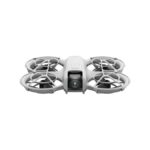
Best for portability: DJI Neo is the lightest choice at 135g and features a unique palm-takeoff design, making it the most convenient option for casual vlogging or quick shots during outdoor trips with friends.
Best for flight time: **Ruko 4K Drone** provides an impressive 96 minutes of total flight time across its three-battery set, allowing for extended exploration sessions without the frequent need to return and swap power packs.
How We Picked
We compared 48 different drone listings to identify the best options for recreational pilots. To earn a place on this list, each drone had to provide clear, manufacturer-stated specifications regarding camera resolution, battery life, and weight. We prioritized models that include essential safety features like GPS-assisted return-to-home and clear guidance on regulatory compliance. Any drone with vague or conflicting technical data was excluded to ensure our recommendations remain reliable for the end user.
All 10 products side by side — scroll sideways to see every column.
| Top Pick | Best for Vlogging | Best for Flight Time | Best for Photography | Best for Beginners | Best for Smooth Video | Best for Exploration | Best for Automated Flight | |||
| Preview |  |  |  |  |  |  |  |  | 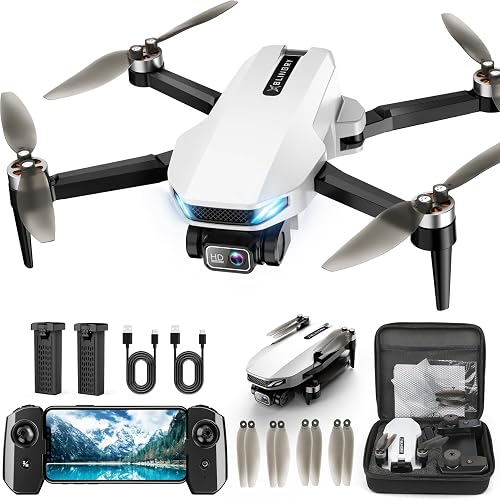 |  |
|---|---|---|---|---|---|---|---|---|---|---|
| Product | DJI Mini 4K | DJI Neo | Potensic ATOM SE | Ruko F11PRO 2 | Holy Stone HS175D | 3-Axis Gimbal GPS Drone | GPS Drone 4.5" Screen | N11 Pro GPS Drone | GPS Drone Auto Return | Ruko 4K Drone |
| Brand | DJI | DJI | Potensic | Ruko | Holy Stone | NAFYRE | sllcll | NAFYRE | BLINORY | Ruko |
| Best for | Best Overall | Best for Vlogging | Best for Flight Time | Best for Photography | Best for Beginners | Best for Smooth Video | — | Best for Exploration | Best for Automated Flight | — |
| The listing says | Under 249 g, no registration required 4K resolution with 3-axis gimbal | Lightweight at 135g, no registration needed Palm takeoff and landing functionality | Under 249g with Level-5 wind resistance Three flight modes with Beginner Mode | 3-Axis Mechanical Gimbal for 4K video One-Key Takeoff/Landing and Beginner Mode | 4K video with 110° wide-angle lens 90° adjustable camera angle | 3-axis stabilization for smooth video Brushless motors with 90 minutes flight time | 4.5-inch screen remote controller included 4K UHD camera with FPV transmission | GPS Follow Me and Tap Fly modes 4K photos and 90° adjustable camera | 4K camera with 90° adjustable angle GPS Auto Return-to-Home function | 1/2" 48MP CMOS sensor with 3-axis gimbal 96 minutes flight with 3 batteries |
| More information | Buy on Amazon | Buy on Amazon | Buy on Amazon | Buy on Amazon | Buy on Amazon | Buy on Amazon | Buy on Amazon | Buy on Amazon | Buy on Amazon | Buy on Amazon |
1. DJI Mini 4K
Best for: Beginners wanting cinematic 4K footage.
This drone stands out for its 3-axis gimbal, which physically stabilizes the camera to ensure your footage stays smooth even during movement. It’s designed to be accessible, offering one-tap takeoff and GPS return-to-home features that help new pilots avoid accidents. The inclusion of intelligent QuickShots allows users to capture complex cinematic patterns like Helix or Boomerang with minimal effort.
The DJI Mini 4K isn’t for advanced users who require manual camera exposure settings or professional-grade RAW image editing, as it focuses primarily on automated, high-quality video capture. Because the app isn’t on Google Play, you’ll need to download it directly from the manufacturer’s website before your first flight.
If you plan to fly in high altitudes, rely on the brushless motors that support takeoff up to 4,000 meters. For windy days, the drone remains stable in Level 5 winds, reaching speeds of 38kph. You must choose your battery set wisely: the 1-battery set provides 31 minutes of flight, while the 3-battery set extends your total time to 93 minutes.
Pros
- Professional-grade gimbal footage that remains perfectly steady.
- Simple one-tap operation modes
- Lightweight under 249g design
Cons
- DJI Fly app sideloading required
- No obstacle avoidance sensors
2. DJI Neo
Best for: Vlogging and casual social media clips.
The DJI Neo is unique because it can be flown entirely without a controller, using palm takeoff and landing for a seamless experience. Its 135g weight makes it extremely portable, fitting easily into a pocket or small bag. The subject tracking and built-in propeller guards make it a safe choice for flying near people or in tighter, more dynamic environments.
If you plan to film in a windy park, the level-4 wind resistance and stabilization technology ensure your 4K footage remains smooth. Use the eight QuickShots modes to capture professional vlogs during hiking or family events. If you’re flying indoors, the full-coverage propeller guards allow you to navigate around tree branches or furniture without the risk of damage.
This drone isn’t for those looking to fly at long distances, as it’s primarily built for close-range follow shots. You must activate the unit through the official DJI Fly app. Because the app isn’t on Google Play, visit the official DJI website to download it before your first flight. If you don’t have a compatible smartphone, you’ll be unable to complete the required setup process.
Pros
- Extremely lightweight and portable
- Full-coverage propeller guards included
- Controller-free operation options
Cons
- Limited range for long distances
- Requires app activation
3. Potensic ATOM SE GPS Drone with 4K EIS Camera
Best for: Pilots who prioritize flight time and speed.
The Potensic ATOM SE features a Sony sensor that uses ShakeVanish technology to stabilize your images electronically. Its brushless motors allow it to reach speeds up to 16m/s, making it a responsive choice for those who want a more active flying experience. The dual-battery setup provides a total of 62 minutes of flight time, which is plenty for most recreational outings.
This model isn’t for photographers who need a mechanical gimbal, as it relies on electronic stabilization.
Because the drone weighs less than 249g, you avoid the burden of FAA and Remote ID registration. This weight class makes it an ideal travel companion, as the foldable frame fits directly into a jacket pocket. Use Beginner Mode to learn the basics, then switch to Sport Mode to hit top speeds in under three seconds. If you lose signal or run low on power, the GPS system triggers an automatic return to your takeoff point. Always keep your firmware updated via FOTA to ensure the best performance. Remember that the micro SD card isn’t included in the box.
Pros
- 62 minutes total flight time
- High-speed sport flight mode
- Small, foldable design
Cons
- Lacks mechanical camera gimbal
- SD card not included
4. Ruko F11PRO 2 Drone with 6K Camera
Best for: Capturing high-resolution photos on large properties.
The Ruko F11PRO 2 uses a Mechanical gimbal that compensates for drone movement to ensure smooth video. To provide professional-grade smoothness for both 4K video and 6K photos. Its long-range transmission capability allows you to explore up to 10,000ft, which is useful for monitoring large estates or wide landscapes. The inclusion of GPS auto-return ensures that the drone comes back to you if the signal drops or the battery runs low.
If you’re flying in windy conditions, the mechanical gimbal remains the deciding factor for steady footage. Rely on the 70-minute total flight time provided by the two included batteries for extended sessions. Don’t rely on manual piloting for complex shots; use the Waypoint Flight or Orbit Mode to let the drone act as your photographer.
This drone isn’t for users who want the smallest possible device, as it’s built for durability and stability rather than pocket-sized portability. It’s an ideal choice for someone who wants a “ready-to-fly” kit that includes everything needed for a full day of filming.
Pros
- 6K photo resolution capability
- Long 10,000ft transmission range
- 3-axis mechanical gimbal
Cons
- Larger than mini-class drones
5. Holy Stone HS175D GPS Drone with 4K Camera
Best for: Beginners looking for a stable learning platform.
The Holy Stone HS175D is built to help beginners gain confidence through features like altitude hold and optical flow positioning. You should use Altitude Hold and Headless Mode when first learning to fly; these settings keep the drone steady so you can focus on framing shots rather than constant manual adjustments. The camera features a 90-degree adjustable angle, allowing you to change your perspective during flight via the remote.
It’s a foldable, travel-ready unit that comes with a carrying case. Because the drone weighs under 249g, it’s easy to pack for trips. If you’re filming, use the 5GHz FPV transmission for a stable live view. This connection is essential for clear framing, but it requires a compatible phone.
This drone isn’t for those who need high-speed performance or advanced cinematic flight modes, as it’s focused on stable, controlled cruising. If you lose signal or battery power, the GPS Auto Return will bring the drone home. It’s a reliable, straightforward option for family trips and casual outdoor photography.
Pros
- Includes protective carrying case
- 90-degree adjustable camera lens
- Stable optical flow hovering
Cons
- No mechanical gimbal
- Basic feature set
6. 3-Axis Gimbal GPS Drone with 4K Camera
Best for: Those demanding the smoothest video output.
This NAFYRE model features a professional stabilizer designed to eliminate shakes during flight. To achieve the smoothest results, make gentle, controlled turns while capturing footage. Always maintain direct line-of-sight and avoid heavy electromagnetic interference, as these conditions can cause signal drops even with a 3328-foot control range.
With three batteries included, you get up to 90 minutes of flight time. The combination of GPS and optical flow ensures the drone stays steady whether you’re flying indoors or outdoors. If the drone loses signal or the battery runs low, the GPS system will automatically trigger a return to home.
This drone isn’t for pilots who want a “mini” form factor, as it’s a mid-sized unit. However, because it weighs under 0.55lb, you avoid the burden of FAA registration. It’s built for those who prioritize video quality and endurance over extreme portability.
Pros
- Excellent video stabilization that removes unwanted motion.
- Extended flight time for longer aerial sessions.
- Reliable dual positioning system
Cons
- Mid-sized, not a mini
- Requires careful signal management
7. GPS Drone with 4K Camera
Best for: Pilots who prefer to fly without the distraction of a smartphone.
The standout feature is the 4.5-inch controller screen. Because the feed transmits directly to the remote, you never need an app or a phone connection. This design eliminates interruptions from incoming calls or messages, providing a focused, immersive flight experience.
If you’re flying outdoors, rely on the GPS positioning mode. It triggers an automatic return if the battery runs low or the signal drops. If you’re flying indoors, switch the drone to optical flow mode to maintain stable hovering without GPS connectivity.
This system isn’t for pilots who prioritize instant social media sharing. Because the controller is a closed, integrated system, you can’t upload footage directly from the device. You must transfer files from the 4GB SD card to a computer first.
Pros
- Built-in 4.5-inch screen
- No smartphone app required
- Includes 4GB SD card
- Under 249g, avoiding FAA registration
Cons
- No direct social media integration
- Screen limits multi-user viewing
- Requires manual file transfer for sharing
8. 4K UHD GPS Drone with Camera
Best for: Long-range exploration with multiple batteries.
The N11 Pro provides a balanced experience with an extended flight time and a long control range of 3,328 feet. It uses both optical flow and GPS to maintain a stable hover, making it easier to frame your shots. The fully adjustable lens provides enough flexibility for most aerial photography needs.
If you’re flying indoors, rely on the optical flow sensor for stability. Switch to GPS mode for outdoor flights to ensure the drone can return automatically if the battery runs low or the signal drops. Because the drone weighs under 0.55 lb, you are exempt from FAA registration requirements for recreational use.
This drone isn’t for enthusiasts who demand the highest-end sensor technology, as it’s aimed at beginners who want a reliable, mid-sized platform. It’s a solid, mid-range choice for everyday photography.
Pros
- Triple battery kit included
- Stable GPS and optical flow
- Long control range
Cons
- Mid-sized build
- Basic camera sensor
9. Drones with Camera for Adults 4K
Best for: Compact, automated GPS flight.
This drone from BLINORY offers a highly automated experience with modes like Follow Me, Waypoint Flight, and Point of Interest. Its 4K camera is electrically adjustable, allowing you to frame your shots easily from the remote. The foldable design makes it a convenient travel companion for hikers and outdoor enthusiasts.
The GPS system provides a safety net for beginners. If the drone loses its signal, flies out of range, or detects low power, it initiates an automatic return to its starting point. You can also use the app to track its last known location on a map if you lose sight of it.
This drone isn’t for those who need professional-grade mechanical stabilization, as it uses electronic systems. It’s best suited for casual users who want to record their outdoor adventures without manual piloting stress.
Pros
- Multiple automated flight modes
- Electrically adjustable camera angle
- Compact and foldable design
Cons
- Electronic stabilization only
- Shorter flight time than multi-battery sets
10. Ruko Drone with Camera
Best for: Maximum flight time and high-end sensors.
The Ruko 4K Drone features a large 1/2-inch 48MP sensor, which is excellent for capturing detail in varying light conditions. With a 96-minute total flight time and a 20,000ft transmission range, it’s arguably the most capable unit on this list for serious exploration. The 3-axis gimbal ensures your footage remains professional and shake-free.
If you weigh less than 249g, you bypass FAA registration and remote ID requirements. This makes the drone an ideal travel companion for spontaneous trips. However, don’t mistake its beginner-friendly GPS and one-tap takeoff for a toy. The quadruple positioning system provides steady hovering, but you must monitor your battery levels. The drone will trigger an Auto Return Home if the power drops or the signal fails.
This is the best choice for a user who wants to grow into their drone’s capabilities. If you prioritize long-distance exploration, the R2 digital system provides a robust, anti-interference feed. If you’re buying this as a gift, the bundle includes three batteries and a carrying case.
Pros
- Large 48MP CMOS sensor
- Massive 20,000ft transmission range
- Exceptional 96-minute flight time
Cons
- Larger, heavier build
- More complex for absolute novices
How to Choose the Best Camera Drone Under 500
Which drone feature matters most for video?
A mechanical 3-axis gimbal is the most important feature for smooth video. While electronic stabilization (EIS) can help reduce shakes, a physical gimbal physically levels the camera while the drone moves, which is the only way to get true cinematic quality. If you plan to use your footage for vlogs or professional-looking projects, skip models that only offer electronic stabilization. Always check if the gimbal is mechanical or electronic in the listing’s specifications. A mechanical gimbal makes a massive difference in how professional your final video looks, especially when flying in windy conditions.
Do I really need to register my drone?
In the United States, drones weighing less than 249 grams generally don’t require FAA registration for recreational use. Always verify these rules before your first flight, as they can change depending on your specific location and usage. While these drones are under the weight limit, you’re still responsible for flying safely and staying away from restricted airspace, airports, and crowds. Always check your local area’s rules, as some parks or cities have their own specific bans on drone usage regardless of weight.
If your drone weighs 250 grams or more, you must register it with the FAA.
Is a controller with a built-in screen better?
A controller with a built-in screen is better if you want a distraction-free experience. You won’t have to worry about your phone battery dying, incoming notifications, or compatibility issues with your smartphone’s operating system. However, these units often lack the advanced app-based features like instant social media sharing or complex mission planning.
If you want to fly for fun and don’t care about editing on your phone, the built-in screen is a great choice. If you’re a content creator who needs to share clips immediately, a standard controller that uses your phone is usually the better, more flexible option. Choose the built-in screen if you value reliability and simplicity during flight; choose the smartphone-based controller if you prioritize post-flight editing and instant sharing.
The DJI Mini 4K remains our top pick for its balance of professional stabilization and ease of use, while the Ruko 4K Drone is the best choice if you need maximum flight time and sensor quality. When selecting your drone, consider whether you prefer the convenience of a built-in screen or the advanced editing capabilities of a smartphone app. Once you decide, make sure to download the necessary apps and check your local flight regulations before your first takeoff. Enjoy the process of learning your new equipment and capturing your first aerial shots.
Frequently Asked Questions
What does owning a drone ask of the buyer afterwards?
You must regularly update your drone’s firmware to ensure flight stability and camera performance. Proper battery maintenance is also essential, requiring you to store them at a moderate charge level. Keep a small kit with spare propellers, a lens cloth, and a micro-SD card, as many models do not include storage.
What goes wrong first on these drones?
Propellers are the most common part to fail, as they’re the first to hit objects during accidental landings or close-proximity flying. If you fly often, consider buying a spare set of propellers immediately so you aren’t grounded while waiting for a shipment.
Is the simplest one on the list enough?
Beginners should start with a simple model like the DJI Neo or Holy Stone HS175D to learn the basics of flight. These drones include essential safety features like GPS return-to-home and altitude hold to prevent common pilot errors. Start with these systems to build confidence before considering an upgrade to advanced drones.
What does the drone need to work with?
Most drones require a smartphone with the manufacturer’s app to access camera settings and flight modes. You will need a reliable micro-SD card to record video, as internal storage is typically limited or non-existent. Always verify that your phone meets the manufacturer’s minimum operating system requirements before attempting to fly.
Conclusion
Once you’ve picked your favorite, don’t forget to check your local flight laws before heading outside. You’ll have a much better time if you’re confident about where you can legally fly. Grab a spare battery for longer sessions, find an open park, and you’ll be capturing stunning aerial views in no time.