Finding the right drone camera for adults depends on how you plan to fly and what you need to capture. For those needing a reliable all-rounder, the DJI Mini 4K is a top choice, while the DJI Neo stands out for those who want a simple, controller-free experience. Key differences include flight time, obstacle detection, and ease of use for beginners.
All 10 products side by side — scroll sideways to see every column.
| Top Pick | Best for Subject Tracking | Best for Long Flights | Best for High Resolution | Best for Family Trips | Best for Screen Control | Best for Landscapes | Best for Long Range | Best for Beginners | ||
| Preview | 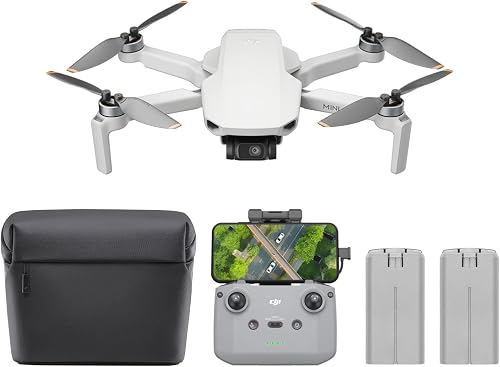 |  |  |  |  |  |  |  | 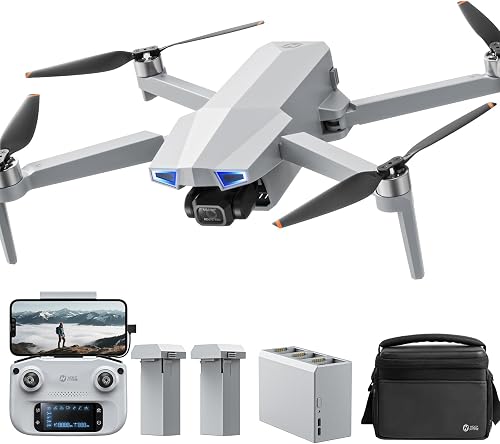 | 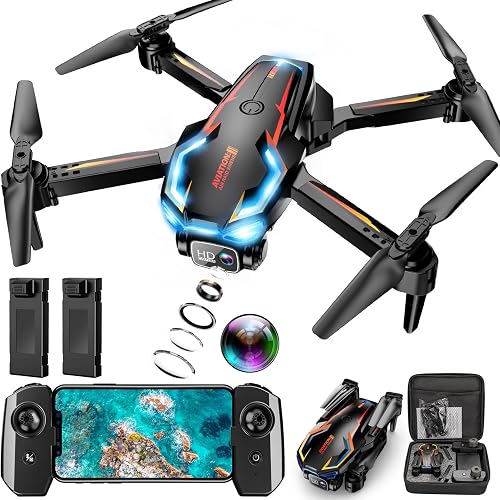 |
|---|---|---|---|---|---|---|---|---|---|---|
| Product | DJI Mini 4K | DJI Neo | Potensic ATOM SE | DJI Mini 4 Pro | Bwine F7MINI | Holy Stone HS175D | FPV Screen Controller Drone | Ruko F11PRO 2 | Holy Stone HS790 | 2K HD FPV Drone |
| Brand | DJI | DJI | Potensic | DJI | Bwine | Holy Stone | RELIDOL | Ruko | Holy Stone | Loiley |
| Best for | Best Overall | Best for Subject Tracking | Best for Long Flights | — | Best for High Resolution | Best for Family Trips | Best for Screen Control | Best for Landscapes | Best for Long Range | Best for Beginners |
| The listing says | Under 249 g, no registration required 4K resolution with 3-axis gimbal | 135g weight, no registration required Palm takeoff and landing | Under 249g, level-5 wind resistance SurgeFly flight control with 3 modes | Under 249 g, no registration required 4K/60fps HDR vertical video | Under 249g, no registration required 8K photo, 4K/30fps video, 48MP 1/2" CMOS | 4K camera with 110° wide-angle lens 90° adjustable camera angle | Remote with built-in screen 1080P HD 80° adjustable lens | 3-axis gimbal, 4K/30fps video, 6K photo One-key takeoff, landing, and beginner mode | 4K/30FPS video, 6K photo, 3-axis gimbal 9KM/30000Ft HD video transmission | 2K HD camera, 90° adjustable angle One-touch start/land, headless mode |
| More information | Price on Amazon | Price on Amazon | Price on Amazon | Price on Amazon | Price on Amazon | Price on Amazon | Price on Amazon | Price on Amazon | Price on Amazon | Price on Amazon |
1. DJI Mini 4K Camera Drone Combo
Best for: Someone who wants a reliable, high-quality drone for cinematic travel shots.
This drone is built for users who want professional-looking video without complex settings. Its 3-axis gimbal provides the stability needed for smooth, cinematic footage, which is a big step up from drones that lack mechanical stabilization. The 4K resolution ensures your travel memories look sharp.
It’s a great choice for beginners who want to use intelligent features like QuickShots to get professional angles automatically. If you’re flying in challenging conditions, the brushless motors allow for stable flight in Level 5 winds and takeoffs at altitudes up to 4,000 meters.
However, it isn’t for those who need advanced obstacle avoidance in every direction, as it focuses more on flight stability and image quality than complex sensor arrays. Because the DJI Fly app isn’t on Google Play, you must download the latest version directly from the official DJI website to ensure proper functionality.
Good if:
- You want cinematic 4K video quality.
- You need a drone that handles wind well.
- You prefer a simple, proven flight experience.
Skip it if:
- You require omnidirectional obstacle sensing.
- You want a drone that fits in a pocket.
- You’re unwilling to manually install the app from the manufacturer’s website.
2. DJI Neo
Best for: Someone who wants to film themselves while hiking or hanging out.
The DJI Neo is designed for simplicity and hands-free operation. Its palm takeoff and landing features make it perfect for quick vlogs or family gatherings where you don’t want to worry about a controller. At 135g, it’s lighter than most smartphones. You can throw it in a pocket and head out.
Because it features full-coverage propeller guards, you can fly near tree branches or around your house without fear of damage. If you’re a nervous flyer, these guards provide the safety net you need to get comfortable.
This drone isn’t for pilots who need long-distance transmission or manual control over every flight aspect. Because it’s designed for ease of use and subject tracking, it may feel limited to those who are used to traditional, large-format drone flying.
Note that you must download the DJI Fly app directly from the official website, as it’s no longer on Google Play. If you fail to activate the drone through this app first, you won’t be able to use it.
Good if:
- You want to film your own adventures.
- You prefer a lightweight, pocket-sized design.
- You like the idea of palm takeoff.
Skip it if:
- You need to fly over very long distances.
- You want professional manual camera controls.
3. Potensic ATOM SE GPS Drone with 4K EIS Camera
Best for: Someone who wants a long total flight time for exploring.
The Potensic ATOM SE excels by offering two batteries that provide a combined 62 minutes of flight time. This is a massive advantage for someone who wants to maximize time in the air. Because it weighs less than 249g, you avoid the need for FAA and Remote ID registration. Its fold-up design is small enough to fit inside a jacket pocket, making it ideal for travel.
If you’re a beginner, use the SurgeFly flight control system to start in Beginner Mode. As you gain confidence, you can switch between Video, Normal, and Sport modes. Use Sport Mode when you need to reach the max speed of 16m/s, but keep in mind that this mode requires more precise handling.
This drone isn’t for users who want the absolute highest level of obstacle detection, as its design focuses on speed and flight duration. It’s a solid, practical tool, but it lacks some of the advanced sensor technology found in specialized models. Always ensure your micro SD card is inserted before performing firmware updates to avoid errors.
Good if:
- You want long flight time.
- You need a foldable, portable design.
- You want a responsive, fast flight experience.
Skip it if:
- You need advanced, multi-directional collision sensors.
- You’re looking for high-end professional cinematic features.
4. DJI Mini 4 Pro Fly More Combo with DJI RC
Best for: Someone who needs professional-grade performance and safety features.
The DJI Mini 4 Pro is packed with technology, including omnidirectional obstacle sensing. This makes it the safest choice for first-time pilots worried about crashes. Its 4K/60fps HDR vertical video allows you to share high-quality footage instantly without post-cutting. Advanced tracking modes like ActiveTrack 360° offer professional results that are hard to match.
This drone is a premium tool with features a casual flyer might never use. If you plan to fly for commercial purposes, you must use the Intelligent Flight Battery Plus, which also activates the Remote ID. Keep in mind that using this battery pushes the drone over the 249g limit, requiring registration.
Good if:
- You need comprehensive obstacle sensing.
- You want the latest tracking technology.
- You demand high-end video quality.
Skip it if:
- You want a simple, no-frills flying experience.
- You’re on a strict budget.
- You want to avoid registration requirements entirely.
5. Bwine F7MINI 4K Video 8K Photo Drones with Camera
Best for: Someone who wants stable, high-resolution photography on a budget.
The Bwine F7MINI features an 8K photo capability and a 3-axis brushless gimbal. This gimbal uses motors and sensors to counteract movement in real-time, keeping the camera level regardless of how the drone tilts or rotates. It is a contender for those who prioritize image stability.
If you’re flying in blustery conditions, the 1503 brushless motor provides 31mph top speed for steady performance. This makes it a robust option for farm patrols or mountain flights where wind resistance is a necessity.
It isn’t for the pilot who wants extreme miniaturization, as the focus here is on mechanical gimbal and motor power. While it’s under 249g and avoids FAA registration, it’s built for performance.
Good if:
- You want high-resolution 8K photos.
- You need a gimbal for smooth video.
- You want reliable wind resistance.
Skip it if:
- You want the smallest, lightest drone on the market.
- You prefer a brand with a longer history in the industry.
- You don’t need the 96-minute total flight time provided by the three included batteries.
6. Holy Stone HS175D GPS Drone with 4K Camera
Best for: Someone who wants an easy-to-use, foldable drone for family trips.
The Holy Stone HS175D is designed to be travel-friendly and accessible. Its foldable design is perfect for packing into a suitcase, and the GPS-assisted flight modes make it easy to control, even for a beginner. It provides a good balance of features for someone just starting out.
This drone isn’t for someone who needs professional-level video transmission or advanced obstacle avoidance. It’s a solid recreational tool, but it doesn’t have the sophisticated flight-assistance systems found in higher-end models, meaning you need to keep a closer eye on it while flying.
Good if:
- You want a simple, foldable travel drone.
- You need GPS-assisted flight features.
- You’re a beginner looking for stability.
Skip it if:
- You need to fly in challenging, high-wind environments.
- You require professional-grade image stabilization.
7. FPV Screen Controller Drone
Best for: Someone who wants to fly without using their phone.
The RELIDOL PK01 stands out because it includes a screen right on the controller. This removes the need to connect your phone, which simplifies the setup process significantly. It’s a fun, entry-level option that lets you see the flight view instantly.
If you’re a beginner, practice in a windless indoor space first. Keep your altitude below 6 meters and your distance under 30 meters to maintain control. Failing to follow these limits often leads to crashes for new pilots.
This drone isn’t for those who need high-definition, long-range video quality. Its camera is suited for basic shots, and it lacks the advanced GPS of specialized models. It’s best kept for shorter, controlled flights in calm conditions.
Good if:
- You dislike using apps for flying.
- You want a screen built into your remote.
- You enjoy fun features like 360-degree flips.
Skip it if:
- You need high-resolution video for professional work.
- You plan to fly long distances.
- You haven’t purchased an SD card, which is required to save your images and videos.
8. Ruko F11PRO 2 Drone with 6K Camera
Best for: Someone who wants high-resolution photos for property or landscapes.
The Ruko F11PRO 2 is a solid performer for those who want a balance of long-range transmission and high-resolution output. Its 3-axis mechanical gimbal ensures that your 4K/30fps videos and 6K photos remain steady and clear, even when flying in windy conditions. It is a choice for capturing expansive outdoor views.
If you’re flying over a vast ranch or a large property, rely on the GPS Auto Return-to-Home feature. The drone will automatically return to its takeoff point if the signal drops or the battery runs low. This safety net is essential when operating near the edge of its 10,000ft transmission range.
This drone isn’t for someone looking for a tiny, “pocketable” device. Its size is geared toward steady, predictable flight rather than extreme portability. If you value a zero learning curve, use the Beginner Mode to limit distance and altitude until you feel confident.
Good if:
- You need long-range control for large properties.
- You want high-resolution 6K photos.
- You appreciate mechanical gimbal stabilization.
Skip it if:
- You want a truly compact drone.
- You aren’t comfortable with a larger, more powerful device.
9. Holy Stone HS790 6K Photo Drone with Camera
Best for: Someone who needs to fly long distances with low latency.
The Holy Stone HS790 is designed for long-range exploration, offering transmission up to 30,000 feet. The inclusion of advanced mechanical stabilization makes it a capable camera platform, and the smart charging hub is a nice touch for those who spend a lot of time away from power outlets.
If you’re flying in windy conditions, professional-grade mechanical stabilization is essential for keeping your 4K/30FPS footage cinematic. Without this stabilization, your video will likely appear jittery during sudden movements. You can tell if you need this model by your flight environment; if you plan on capturing professional-quality content, the gimbal is a requirement rather than a luxury.
It isn’t for the absolute beginner who might be intimidated by a more powerful, longer-range drone. While it has beginner modes, its capabilities are aimed at those who are ready to explore further and push the limits of their flight experience. Many new pilots make the mistake of buying a high-performance drone without mastering basic altitude hold or headless mode first. This often leads to unnecessary crashes. The listing doesn’t mention specific safety features for long-range flights.
10. 2K HD FPV Drone
Best for: A first-time flyer who wants an easy-to-learn drone.
The Loiley 2K HD FPV Drone is perfect for those buying their first drone. Its optical flow positioning and altitude hold make flight stable for a beginner. Because it weighs under 250g, you avoid the hassle of FAA registration.
If you want to capture memories, use the 90° remote adjustable camera. Connect your smartphone to enjoy a real-time panoramic view. When folded, the device measures just 5 x 3 x 2 inches, fitting easily into a pocket.
The two included batteries provide 26 minutes of total flight time. If the remote emits a low battery warning, land immediately to ensure you don’t lose the drone.
This isn’t for someone who expects professional, cinematic quality. It’s an entry-level tool for learning flight and camera basics. It won’t replace a specialized drone for serious photography.
Good if:
- You’re a beginner wanting to learn.
- You want a compact, travel-friendly drone.
- You need stable flight for practice.
Skip it if:
- You need high-end 4K or 6K video.
- You’re looking for a professional tool.
Where These Overlap
Most drones under 249g share the same primary benefit: they bypass the need for FAA registration and Remote ID for recreational use. If your goal is casual aerial photography for family gatherings or light travel, models like the DJI Mini 4K, Potensic ATOM SE, and Holy Stone HS175D offer nearly identical utility. They provide stable, GPS-assisted flight and fold up for easy transport. When choosing among these, look at the total flight time provided by the included battery sets rather than performance gaps, as the flight experience is largely consistent across these entry-level platforms.
A distinct divide exists between these casual flyers and models built for cinematic output. If you require professional-grade footage, prioritize drones equipped with advanced mechanical stabilization, such as the DJI Mini 4 Pro, Bwine F7MINI, or Ruko F11PRO 2. A mechanical gimbal uses motors to counteract drone movement in real-time, keeping the camera level regardless of wind or flight maneuvers. This hardware is the deciding factor for video quality. If you choose a fixed-lens or entry-level drone like the Loiley 2K, you will lack the comprehensive mechanical stabilization found in higher-end models. If you plan to capture sunset scenes or dynamic aerial shots, the gimbal isn’t an optional luxury; it’s the fundamental requirement for smooth, high-definition results.
Still Not Sure?
How often will I actually fly?
If you only plan to fly once in a while for a family picnic, you don’t need a professional-grade drone with complex obstacle sensors. A simple, easy-to-use model like the DJI Neo is perfect because it requires almost no setup and is ready to go in seconds. If you think you might become a regular hobbyist, however, you’ll eventually want a drone with a better camera and more advanced flight modes. For a casual user, the DJI Neo is usually the best entry point.
If you intend to fly frequently, battery life becomes your primary constraint. A single battery rarely lasts long enough for a full afternoon of exploration. If you find yourself constantly checking the power level, choose a bundle that includes at least two or three batteries, such as the DJI Mini 4K or the Potensic ATOM SE, to reach over an hour of total flight time.
What do I already own that this must work with?
Think about your phone and your comfort with apps. If you have a newer smartphone, most drones will work perfectly fine. However, if you find using a phone screen in bright sunlight difficult or annoying, you should look for a drone that comes with its own screen. The RELIDOL FPV Screen Controller Drone is the standout here, as it removes the need to worry about phone compatibility or screen glare entirely. It keeps your flight experience focused on the remote itself.
What am I most likely to regret choosing?
The most common regret for new buyers is choosing a drone that’s too difficult to fly or lacks basic stability features like a mechanical gimbal. If you buy a basic model, you may be disappointed by shaky, blurry footage that looks nothing like the videos you see online. If you want to avoid this, prioritize models with advanced mechanical stabilization.
If you’re a nervous flyer, don’t skip the propeller guards. Models like the DJI Neo include full-coverage guards that allow you to fly near tree branches or around your house without the fear of damaging the blades. If you prioritize safety over cinematic range, choose a drone with these guards to avoid the risk of early repairs.
Frequently Asked Questions
Do I need to register these drone cameras with the FAA?
Most drones listed here weigh under 249 grams, which is the common threshold for recreational drone registration in the United States. Regulations can change, and commercial use often has different requirements regardless of weight. Always check official government guidelines for your specific location before your first flight.
What is the advantage of a 3-axis gimbal?
A 3-axis gimbal is a mechanical device that keeps your camera level and steady even when the drone is tilting or fighting wind. Without a gimbal, your video will likely look shaky or tilted during flight. Models like the DJI Mini 4K and Bwine F7MINI include this technology for stable results.
Can I fly these drones in windy weather?
Every drone has a limit to how much wind it can handle, usually described as a “Level” resistance. Models like the DJI Mini 4K and Potensic ATOM SE are rated for Level 5 wind resistance, allowing them to maintain a stable position in moderate breezes. Always check the technical specifications for your model’s wind rating.
How do I ensure my drone camera is safe to fly?
Safety starts with pre-flight checks and utilizing built-in features like GPS-assisted “Return to Home.” Most drones listed, such as the Holy Stone HS175D or DJI Mini 4 Pro, have an automatic return feature that triggers if the battery gets low. Always calibrate your compass and fly in open areas to prevent accidents.
Conclusion
Choosing the right drone depends on whether you value ease of use or professional output. For a simple, hands-free experience, the DJI Neo is an excellent companion for your daily adventures. If you prefer high-quality video and reliable flight performance for travel, the DJI Mini 4K is the most balanced option. Take your time to consider your primary goal, and you’ll find a drone that makes your aerial photography rewarding and fun.