Choosing the right drone depends on whether you value high-end camera sensors for professional work or compact designs for easy travel. While all these models offer long-range transmission, they differ in sensor size, obstacle avoidance technology, and total flight time. Some are built for simple, registration-free flying, while others prioritize advanced gimbal stability for cinematic results.
Best overall: DJI Air 3S, which features a 1-inch CMOS sensor for superior low-light performance and advanced LiDAR obstacle sensing for safer flight in complex environments. Best for beginners: DJI Mini 4K, which offers a simple, lightweight design that avoids complex registration requirements while still providing stable 4K video and reliable GPS return-to-home. Best for endurance: Bwine F7MINI, which provides a total of 96 minutes of flight time through its triple-battery system, making it an excellent choice for long scouting missions.
This guide is for anyone looking to balance flight range with image quality and ease of use.
How We Picked
We compared 48 different drone listings to identify models that offer reliable long-range transmission and consistent flight performance. To earn a spot in this article, each drone had to clearly state its maximum transmission range, battery life, and camera resolution in its official listing.
All 10 products side by side — scroll sideways to see every column.
| Top Pick | Best for New Pilots | Best for 48MP Photos | Best for Vertical Shots | Best for Long Range | Best for Outdoor Use | Best for Beginners | Best for Wide Angles | Best for Compact Power | Best for Families | |
| Preview |  | 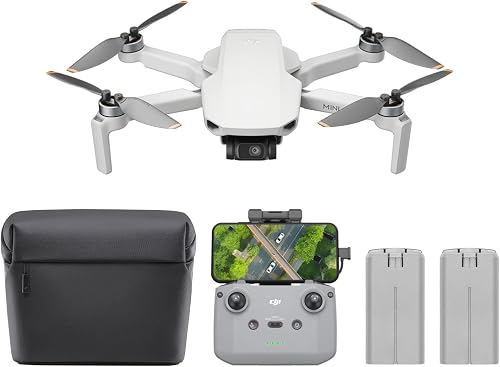 |  |  |  |  |  |  |  |  |
|---|---|---|---|---|---|---|---|---|---|---|
| Product | DJI Air 3S | DJI Mini 4K | Potensic ATOM 2 | DJI Mini 3 | Holy Stone HS900 | Bwine F7GIM | Holy Stone HS360S | Holy Stone HS175D | Bwine F7MINI | Ruko F11PRO 2 |
| Brand | DJI | DJI | Potensic | DJI | Holy Stone | Bwine | Holy Stone | Holy Stone | Bwine | Ruko |
| Best for | Top Pick | Best for New Pilots | Best for 48MP Photos | Best for Vertical Shots | Best for Long Range | Best for Outdoor Use | Best for Beginners | Best for Wide Angles | Best for Compact Power | Best for Families |
| The listing says | 1" CMOS primary camera for low-light shots 4K/60fps HDR video with 14 stops dynamic range | Under 249 g, no FAA registration required 4K resolution with 3-axis gimbal stabilization | Three batteries charge in 1.3 hours 10km transmission range with 1080p live view | Under 249 g, no FAA registration required 4K HDR video with Dual Native ISO Fusion | 8K photos, 4K/30fps video, 1/2.3 in CMOS sensor Two 2250mAh batteries for 60 minutes flight | 6K photos, 4K/30fps video, 3-axis brushless gimbal Beginner mode with TOF and GPS sensors | Under 250g, no FAA registration required 4K camera with 1/3" CMOS GalaxyCore sensor | 4K video camera with 110° wide-angle lens 90° adjustable camera angle for framing | Under 249g, no FAA registration required 48MP 1/2" CMOS sensor, 4K/30fps video | 3-axis mechanical gimbal, 4K/30fps video, 6K photos One-key takeoff and beginner mode |
| More information | Check Latest Price on Amazon | Check Latest Price on Amazon | Check Latest Price on Amazon | Check Latest Price on Amazon | Check Latest Price on Amazon | Check Latest Price on Amazon | Check Latest Price on Amazon | Check Latest Price on Amazon | Check Latest Price on Amazon | Check Latest Price on Amazon |
1. DJI Air 3S Fly More Combo
Best for: Photographers needing professional-grade low-light image quality.
The DJI Air 3S stands out for its 1-inch CMOS primary camera, designed to capture high-detail footage during sunsets and nightscapes. Its 14 stops of dynamic range ensure you retain intricate cloud textures during high-contrast hours. LiDAR-based obstacle sensing allows the drone to circumvent buildings while flying in nightscape conditions.
Compared to the DJI Mini 4K, this model includes a sophisticated sensor suite that significantly improves performance in challenging lighting. If you frequently shoot in low light, the 1-inch sensor is the deciding factor. If your work is primarily in bright, midday sun, the extra weight may be unnecessary.
The battery charger is sold separately; the manufacturer recommends the DJI 65W Portable Charger.
Pros
- Large 1-inch CMOS sensor.
- Advanced omnidirectional obstacle sensing.
- Long 45-minute max flight time.
Cons
- Charger sold separately.
- Heavier than ultra-portable models.
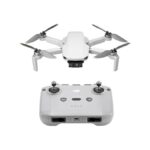
2. DJI Mini 4K Camera Drone Combo
Best for: New pilots who want a simple, registration-free experience.
The DJI Mini 4K is built for portability, weighing under 249g to meet recreational flight standards in many regions. This weight threshold is critical; it means you don’t need FAA registration or Remote ID for recreational use. It features a 3-axis gimbal that keeps your 4K video steady even during gusty conditions, which is a major advantage over entry-level drones without mechanical stabilization.
It’s a streamlined tool that prioritizes ease of operation for those just starting their aerial photography journey. Note that you must download the DJI Fly app directly from the official website, as it’s no longer available on Google Play.
Pros
- No registration required.
- Stable 3-axis gimbal.
- Beginner-friendly flight modes.
Cons
- Lacks advanced obstacle sensing.
- Limited intelligent flight modes.
3. Potensic ATOM 2 Drone with Camera
Best for: Users who want high-resolution 48MP photos in a compact frame.
The Potensic ATOM 2 features a 1/2-inch Sony CMOS sensor that enables 48MP photo capture and 4K HDR video. Its unique directional antenna provides a stable 10km transmission range, making it a strong contender for those who need to fly further while maintaining a clear live feed. Unlike the DJI Mini 3, this drone includes a fast-charging hub that can replenish three batteries in just 1.3 hours.
This model isn’t the best fit for pilots who prioritize massive sensor sizes for cinematic low-light work, as it’s more focused on portability and quick deployment. Its AI-driven flight modes are helpful, but the learning curve for the Potensic Eve app may be different for those used to other drone platforms.
Pros
- Fast 1.3-hour charging hub.
- High-resolution 48MP photos.
- Compact, registration-free design.
Cons
- Smaller sensor than premium models.
- App-specific learning curve.
4. DJI Mini 3 With DJI RC
Best for: Content creators who need true vertical shooting capabilities.
The DJI Mini 3 is designed for creators who share content on social media, thanks to its true vertical shooting mode. Its dual native ISO fusion helps it handle high-contrast scenes, ensuring that details in both shadows and highlights remain visible. Compared to the Holy Stone HS900, this drone offers a more refined software experience during long-distance flights.
If you fly for recreational purposes, you don’t need FAA registration or Remote ID because the drone weighs under 249 grams. However, if you use the Intelligent Flight Battery Plus to extend flight time to 51 minutes, the aircraft will exceed that 249-gram limit. You must then register the drone for legal operation.
This drone isn’t for pilots who require advanced obstacle avoidance, as it lacks the sensor density found in higher-tier models like the DJI Air 3S. It’s a specialized tool that focuses on ease of use and vertical framing over complex flight automation.
Pros
- True vertical shooting mode.
- Lightweight and portable.
- Good dynamic range.
Cons
- No obstacle avoidance sensors.
- Intelligent flight battery plus increases weight.
5. Holy Stone HS900 Drone with Camera
Best for: Pilots wanting a long-range drone with dual-battery convenience.
The Holy Stone HS900 combines 48MP 8K photo capability with a 4K/30fps video system. Its Sony 1/2.3-inch CMOS sensor and motorized stabilization system ensure cinematic stability. The 20,000ft transmission range provides significant freedom for scouting large outdoor areas. Unlike drones relying on Wi-Fi, this model uses a wired phone relay to avoid pairing issues and maintain precise framing.
You should choose this drone if you prioritize flight time and range. The dual 2250mAh batteries provide 60 minutes of total airtime, and the included charging hub allows you to cycle power quickly. If you fly in open areas, the 5.8GHz digital transmission excels. However, if you fly in dense urban environments with many obstacles, remember that this model lacks advanced omnidirectional sensors. In those tight conditions, rely on the GPS-assisted hover and signal-loss failsafe to keep the craft secure.
Because it weighs under 249g, it remains FAA compliant without requiring registration. This makes it an ideal travel companion for hikes or trips where you need a foldable, capable platform.
Pros
- Impressive 20,000ft transmission range.
- Dual batteries included for 60-minute flight.
- 8K photo resolution.
Cons
- Lacks advanced obstacle sensors.
- Requires microSD card for storage.
6. Bwine F7GIM 4K Video 6K Photo Drones with Camera
Best for: Outdoor lovers who need a durable, high-performance gimbal.
The Bwine F7GIM features a brushless stabilization system that significantly improves smoothness during high-speed flight or windy conditions. With 6K photo support and a 70-minute total flight time, it’s built for users who spend hours in the field inspecting landscapes or capturing scenery. Unlike the DJI Mini 4K, this drone uses a wired digital transmission system to minimize lag and interference.
This model isn’t for those who want the absolute lightest drone possible, as its industrial design is built for stability and durability rather than minimalist weight. The Bwine F7GIM includes a lifetime drone warranty.
Pros
- Strong 3-axis gimbal stability.
- Long 70-minute flight time.
- Wired digital transmission.
Cons
- Heavier, robust design.
- Requires specific cable setup.
7. Holy Stone GPS Drone with 4K UHD Camera
Best for: Beginners who want a simple, long-range setup.
The Holy Stone HS360S is designed for novices, weighing under 250g to bypass FAA and Remote ID registration requirements. Its 4K camera, featuring a 1/3” CMOS GalaxyCore sensor, provides a solid entry-level imaging experience for those learning to frame shots. Unlike drones that rely on unstable WiFi, this model uses a wired smartphone connection for reliable real-time streaming.
If you struggle with manual flight, use the optical flow positioning and beginner mode to stabilize your hover. For complex shots, use the “Spiral Up” or “Catapult” modes to automate your filming. However, avoid pushing the 20-minute battery limit; if the connection breaks or power runs low, the drone automatically triggers its Return-Home function.
This drone isn’t for cinematographers who demand advanced obstacle avoidance. It’s a starter tool that prioritizes long-range flight and easy operation for a first-time buyer.
Pros
- Beginner-friendly flight modes.
- 10,000ft range.
- Lightweight for travel.
Cons
- Lower resolution than advanced models.
- Limited flight time per battery.
8. Holy Stone HS175D GPS Drone with 4K Camera
Best for: Travelers looking for a portable, long-flight option.
The Holy Stone HS175D is a foldable, travel-ready drone offering up to 46 minutes of flight time using its two included batteries. Its 5GHz FPV live view provides a stable connection for framing shots during family outings. While it lacks the advanced motorized stabilization found in premium models, it provides a reliable platform for casual aerial photography.
You should rely on the GPS Auto Return feature to prevent loss. If the signal drops, the drone goes out of range, or the battery hits a critical level, the system triggers this function automatically. Beginners often mistake this for a manual setting, but it works best as a fail-safe. If you’re flying in open areas, the GPS-assisted flight is a significant safety net.
This drone isn’t suitable for those who need professional-grade, jitter-free video in strong winds. It is designed for hobbyists who want to explore the basics of GPS-assisted flying.
Pros
- Very compact and foldable.
- Good flight time for the class.
- Easy to transport.
Cons
- No mechanical gimbal.
- Basic camera stabilization.
9. Bwine F7MINI 4K Video 8K Photo Drones with Camera
Best for: Users who prioritize total flight time and compact power.
If you’re flying in gusty conditions, the 1503 brushless motor provides enough power to maintain steady footage in winds up to 31mph. Use this drone for casual farm patrols, roof inspections, or travel photography. However, if your work involves high-risk, complex obstacle navigation, look elsewhere; this model lacks the advanced LiDAR sensing found in professional-grade drones.
Always check your pre-installed battery before takeoff, as the other two units arrive in separate packaging. If you lose your connection, the 120dB locator buzzer helps you recover the device quickly.
Pros
- 96-minute total flight time.
- 8K photo capability.
- No FAA registration required.
Cons
- Lacks complex obstacle avoidance.
- Smaller sensor size compared to professional cinema drones.
10. Ruko F11PRO 2 Drone with 6K Camera
Best for: Families and retirees who want reliable, easy flight.
The Ruko F11PRO 2 is built for stability, featuring a mechanical stabilization system that ensures smooth footage for family memories or estate inspections. Its 10,000ft range and GPS auto-return features provide confidence for those flying over larger properties. If you’re flying in windy conditions, the mechanical stabilization is the deciding factor that keeps your 4K/30fps video steady.
This drone isn’t the best choice for extreme travelers who need the lightest possible weight, as it’s designed for ease of use and reliability. Beginners should start in the dedicated Beginner Mode to ensure confident control right out of the box. If the battery runs low or the signal drops, the RTH feature triggers automatically to prevent loss. Use the two included batteries to reach the full 70 minutes of flight time during long road trips.
Pros
- Smooth mechanical 3-axis gimbal.
- Reliable GPS return-to-home.
- Simple, intuitive controls.
- 70-minute total flight time.
Cons
- Larger, less portable design.
- Standard camera sensor.
How to Choose the Best Long Range Camera Drone
Prioritize Your Primary Goal
Decide if you want a drone for professional photography or casual flying. If you need high-end imagery, look for models with large-format sensors and mechanical stabilization systems. These features allow you to capture cinematic footage that looks smooth and professional. If you’re just starting out, skip the complex sensors and focus on drones that offer “beginner mode” and simple one-tap takeoff features. These will help you gain confidence without overwhelming you with settings. Always check the weight of the drone, as models under 249g are often exempt from specific drone registration requirements in the United States, which saves you time and paperwork.
Consider Flight Environment
Think about where you’ll fly most often. If you plan to fly in open fields, a long-range transmission system of 10,000ft or more is ideal. However, if you fly in areas with many trees or buildings, prioritize drones with obstacle avoidance sensors. Drones like the DJI Air 3S use LiDAR to help you navigate, while simpler models rely solely on GPS. Never assume a drone can avoid all obstacles; even with sensors, you must maintain visual contact and control. If you fly in windy areas, a drone with a motorized stabilization system and high wind-resistance ratings is essential to keep your video from shaking.
Manage Battery and Charging
Flight time is the most common limitation for drone pilots. Look for “Fly More” combos that include multiple batteries and a charging hub, as these significantly extend your time in the air. If you plan on long scouting trips, prioritize models that offer over 60 minutes of total flight time. Check if the drone supports fast charging, as this can be the difference between getting three or four flights in a single day. Some models require you to purchase a charger separately, so verify that your kit includes everything you need to start flying immediately. Avoid “range anxiety” by selecting a model that provides clear, low-latency battery alerts on your controller screen.
Frequently Asked Questions
Do I need to register my drone with the FAA?
Registration depends on your drone’s weight. Drones weighing 249 grams or less used for recreation do not require FAA registration or Remote ID. If you add accessories or a larger battery that pushes the total weight over the 249g threshold, you must register the aircraft.
How does the transmission range work?
Transmission range is the maximum distance a drone maintains a live video feed from the controller. Models like the Ruko F11PRO 2 provide a stable connection up to 10,000 feet. These distances are measured in open areas, as obstacles like buildings and trees can significantly reduce this range.
What is a 3-axis gimbal and why does it matter?
A 3-axis gimbal holds the camera steady by compensating for pitch, roll, and yaw movements. This technology eliminates vibrations and shakes to produce smooth, cinematic video. Models like the Bwine F7GIM use brushless motors in their gimbals to increase accuracy and keep the camera level during maneuvers.
Can I fly these drones in the rain or snow?
Most consumer drones aren’t waterproof and shouldn’t be flown in rain, snow, or high-humidity environments. Moisture can easily damage the sensitive internal electronics, motors, and camera sensors. While some professional-grade, industrial drones are built to withstand harsh weather, the models in this article are designed for fair-weather flight.
Closing
For those seeking top-tier performance, the DJI Air 3S stands out with its 1-inch CMOS sensor and omnidirectional obstacle sensing, which uses LiDAR to navigate buildings at night. If you prioritize portability, the DJI Mini 4K or similar sub-249g models allow you to skip FAA registration for recreational use.
Before your first flight, download the latest app version, as some platforms have removed support from standard app stores. Always verify if your chosen model requires a wired connection to the remote, as many modern drones now bypass Wi-Fi to ensure a stable, lag-free transmission.
Practice your landing techniques in an open field, but remember that wind resistance varies; while many models handle Level 5 winds, pushing a lightweight drone beyond its limits can lead to unexpected drift. Always keep your aircraft within your line of sight. By checking your battery levels and calibrating your GPS home point before takeoff, you significantly reduce the risk of signal loss or flyaways.