Choosing a drone that follows you comes down to how much you prioritize portability versus professional image quality. Some models focus on being ultra-light for travel and easy palm-launching, while others offer heavy-duty stabilization and long-range transmission for serious filming. The right choice depends on your specific adventure.
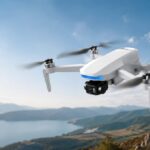
Best overall: DJI Neo is a lightweight drone that simplifies filming with palm takeoff and smart subject tracking, making it a great, portable choice for casual vloggers and travelers.
Best for hands-free tracking: HOVERAir X1 uses advanced tracking algorithms and a fully enclosed design to capture smooth footage while you move, perfect for cyclists and active users who want to stay focus-free.
Best for advanced imaging: DJI Mavic 4 Pro features a powerful 100MP Hasselblad camera and 51 minutes of flight time, providing the professional tools needed for high-end, cinematic aerial photography.
The rest of this guide is for anyone looking to match their specific skill level and filming needs with the best drone technology currently available.
How We Picked
We compared 48 different drone listings to identify the top options for automated subject tracking. To make our list, a drone had to provide clear, manufacturer-stated specifications regarding flight time, camera resolution, and intelligent flight modes. We prioritized models that offer specific safety features like obstacle sensing or propeller guards, as these are essential for users who want to focus on their activity rather than piloting. Products were excluded if their listings lacked clear details on tracking capabilities or if they failed to provide basic flight safety information.
All 10 products side by side — scroll sideways to see every column.
| Top Pick | Best for Action Sports | Best for Professionals | Best for Beginners | Best for Inspections | Best for Travel | Best for Novice Pilots | Best for Windy Weather | Best for Cinematic Shots | ||
| Preview |  |  |  |  |  |  |  |  |  |  |
|---|---|---|---|---|---|---|---|---|---|---|
| Product | DJI Neo | HOVERAir X1 | DJI Mavic 4 Pro | Holy Stone HS175D | Bwine F7GIM | Ruko F11PRO 2 | GPS Drone 4K | Holy Stone HS360S | Holy Stone HS600D | 3-Axis Gimbal Drone |
| Brand | DJI | HOVERAir | DJI | Holy Stone | Bwine | Ruko | sllcll | Holy Stone | Holy Stone | NAFYRE |
| Best for | Best Overall | Best for Action Sports | Best for Professionals | Best for Beginners | Best for Inspections | Best for Travel | — | Best for Novice Pilots | Best for Windy Weather | Best for Cinematic Shots |
| The listing says | Weighs 135g, no FAA registration required Palm takeoff and landing functionality | Follows moving subjects up to 15 mph Supports Android 10.0 and iOS 12.1 | 100MP camera with 6K/60fps HDR video Dual tele cameras for detailed zoom | 4K camera with 110° wide-angle lens 90° adjustable camera angle | 6K photos and 4K 30fps video 3-axis brushless gimbal stabilization | 48MP sensor for 8K photos, 4K video 96-minute total flight time | 4.5-inch remote controller screen included 4K UHD camera with FPV transmission | Weighs less than 250g, no FAA registration 4K camera with 1/3'' CMOS sensor | Includes 5.5-inch 1080P smart controller 48MP photos and 4K HDR video | 3-axis stabilization for steady footage 90 minutes flight time with 3 batteries |
| More information | Check Price on Amazon | Check Price on Amazon | Check Price on Amazon | Check Price on Amazon | Check Price on Amazon | Check Price on Amazon | Check Price on Amazon | Check Price on Amazon | Check Price on Amazon | Check Price on Amazon |
1. DJI Neo
Best for: Casual vloggers and travelers wanting portability.
The DJI Neo stands out for its 135g weight, which makes it easy to carry in a pocket or backpack for spontaneous filming. It features palm takeoff and landing, allowing you to start shooting without needing a controller or a flat surface. For those who want more control, it also supports voice commands and smartphone app operation.
If you’re flying in a windy park or near trees, the full-coverage propeller guards provide essential protection. These guards allow you to navigate tight spaces or branches without the fear of damaging the drone. However, you must download the DJI Fly app directly from the official website to activate the device. The app is no longer on Google Play, so don’t wait until you’re at your destination to set it up.
This drone uses stabilization technology and level-4 wind resistance to keep your 4K footage smooth during hikes or outdoor activities. Because it weighs only 135g, it doesn’t require FAA registration or Remote ID. This makes it a stress-free choice for quick family events or casual outings. It isn’t designed for professional long-range cinematography, as its primary strength lies in convenience and ease of use for everyday moments.
If you need to capture complex, high-altitude shots, this isn’t the right tool. Use the Neo when you want to film a birthday party or a picnic without carrying a heavy controller.
Pros
- Extremely lightweight and portable
- Simple palm takeoff and landing
- Built-in full-coverage propeller guards
Cons
- Requires manual app download for activation
- Limited flight range for professional use
2. HOVERAir X1 Drone with Camera
Best for: Hands-free action sports tracking.
The HOVERAir X1 is designed specifically for automated, hands-free flight. It includes pre-programmed paths like Orbit and Bird’s Eye, which allow you to capture professional-looking clips without manual piloting. Its fully enclosed design and safety guards make it a reliable choice for close-range shooting near people or obstacles.
If you’re filming high-speed sports like cycling or skateboarding, the drone tracks subjects at speeds up to 15 mph. To ensure the best results, use the Hover X1 app for real-time monitoring. Keep in mind that video previews in the app album display as low-resolution thumbnails; always download the full-quality files to your device to verify your footage.
The system supports 2.7K at 30fps and 1080P HDR. Each battery provides roughly 11 minutes of flight, or about 20 intelligent flight paths. If you need to capture a specific angle, switch to manual control mode through the app to override the automated paths.
Because the drone features 32GB of internal storage, you never need to manage external SD cards. This local storage also keeps your content private. If you’re under 14 years old, this device isn’t intended for your use. It’s best for those who prioritize ease of content sharing over complex manual flight maneuvers.
Pros
- Advanced hands-free tracking modes
- No SD card hassle with internal storage
- Fully enclosed safety design
Cons
- Not suitable for users under 14
- Limited to 2.7K resolution
- 11-minute battery life per flight path cycle
3. DJI Mavic 4 Pro Drone With DJI RC 2
Best for: Professional photographers needing high-end imaging.
The DJI Mavic 4 Pro is a flagship drone that prioritizes image quality above all else. With a 100MP Hasselblad camera and 6K/60fps HDR video, it provides the detail required for professional production. Its 360° Infinity Gimbal allows for creative camera movements, while the 0.1-Lux night sensing makes it effective in low-light environments.
If you’re shooting in challenging lighting, rely on the 0.1-Lux Nightscape sensing to navigate obstacles safely. This feature distinguishes the model from standard drones that struggle once the sun sets. When planning long-form shoots, count on the 51-minute flight time to capture complex scenes without frequent landings.
The O4+ transmission system ensures a stable feed up to 30km, which is far beyond the range offered by the Holy Stone HS360S. Use the 7-inch rotatable RC Pro 2 controller to monitor these 10-bit HDR feeds in real-time. If you need to pack light, the controller collapses for easier transport between locations.
Its advanced features and professional controller are designed for experienced pilots who require maximum performance.
Pros
- 100MP main camera with 6K video
- Long 51-minute flight time
- Advanced 360° obstacle sensing
Cons
- Complex system for new pilots
- High learning curve for features
4. Holy Stone HS175D GPS Drone with 4K Camera
Best for: Beginners learning basic flight modes.
The Holy Stone HS175D is a foldable GPS drone that provides a range of intelligent features for new pilots. It includes Follow Me, Waypoint Flight, and Point of Interest modes, which are helpful for practicing creative cinematography. The 5GHz FPV transmission helps keep the video feed smooth, ensuring you can frame your shots with confidence.
With two batteries included, you get up to 46 minutes of flight time, allowing for more practice before needing a recharge. While the DJI Mavic 4 Pro offers much higher resolution, the HS175D is focused on stability and ease of control. It isn’t intended for high-speed professional sports tracking or long-distance commercial work.
Pros
- Includes two batteries for longer flight
- Foldable design for travel
- GPS auto-return for safety
Cons
- Lacks high-end professional stabilization
- 4K camera is for general use
5. Bwine F7GIM 4K Video 6K Photo Drones with Camera
Best for: Extreme outdoor lovers and inspections.
The Bwine F7GIM is built for stability and durability, featuring a 3-axis brushless gimbal that keeps footage steady even in windy conditions. It captures 6K photos and 4K video, making it a strong contender for those who need high-quality results for outdoor photography or site inspections. Its Night Mode 2.0 is specifically designed to reduce noise during low-light shoots.
The drone supports a 70-minute total flight time and a 10,000ft transmission range, outperforming many smaller portable drones in endurance. While the DJI Neo is more compact, the Bwine F7GIM offers a more robust build for demanding environments.
Pros
- Stable 3-axis gimbal footage
- Long 70-minute total flight time
- Excellent night-shooting capabilities
Cons
- Requires more setup than mini drones
- Not a pocket-sized device
6. Ruko Drone with Camera
Best for: Long-range exploration and travel.
The Ruko F11PRO 2 emphasizes endurance and connection strength. With a 20,000 ft transmission range and 96 minutes of total flight time across three batteries, it’s built for users who want to explore distant scenery. Its 1/2″ 48MP sensor captures high-resolution 8K photos and 4K video.
You get 32 minutes of airtime per battery. If you find the drone drifting during a hover, ensure you’re in an open area to allow the quadruple positioning system—TOF, optical flow, barometer, and GPS—to lock onto your location.
This drone remains under 249g, helping you bypass FAA registration requirements. If you intend to fly near airports or restricted zones, always check local regulations regardless of the drone’s weight. The unit relies on your smartphone for the live feed, so ensure your device is fully charged before heading out.
Pros
- Massive 96-minute total flight time
- Impressive 20,000 ft transmission range
- Under 249g for easier travel
Cons
- Smartphone required for operation
- No built-in screen controller
The included carrying case makes this a practical choice for spontaneous travel. If you encounter signal loss or low battery, the Auto Return Home feature triggers automatically to bring the craft back to its takeoff point. This provides a safety net for beginners learning to manage distance.
7. GPS Drone with 4K Camera
Best for: Users who prefer a dedicated controller screen.
The GPS Drone 4K includes a 4.5-inch remote controller with a built-in screen, which removes the need to connect your phone for flight. This is ideal for those who want to avoid notifications or app connectivity issues during their flight. If you prioritize focus, the all-in-one design is a major advantage. It ensures you aren’t interrupted by incoming calls or messages while navigating.
The drone provides 60 minutes of flight time using two 7.4-volt 1600mAh batteries. This is a solid middle ground for most recreational users. You should charge both batteries fully before heading out to ensure you have the full hour of airtime available. If you’re inspecting rooftops or drainage ditches, use the 90° adjustable lens to capture clear footage without needing to maneuver the entire drone.
The system includes GPS auto-return for outdoor safety and optical flow for stable indoor hovering. If the drone loses signal or the battery runs low, it will trigger an automatic return-to-home. This feature is vital for beginners who might otherwise lose their aircraft in open fields.
This model focuses on a simplified, all-in-one experience. It isn’t for users who want to use their smartphone’s larger screen for previewing footage. Because it weighs under 249g, it also spares you from complex FAA registration requirements.
Pros
- Controller has a built-in screen
- No smartphone or app required
- Stable GPS and optical flow
Cons
- Smaller screen than a smartphone
- Limited to basic imaging features
8. Holy Stone GPS Drone with 4K UHD Camera
Best for: Novice pilots wanting easy smart features.
The Holy Stone HS360S is built for accessibility. Weighing under 250g, it avoids the need for FAA or Remote ID registration in the United States. This makes it a hassle-free choice for beginners who want to fly immediately without navigating complex regulatory hurdles.
The controller uses a direct data cable connection to your smartphone. This bypasses the common frustration of unstable Wi-Fi connections, ensuring a reliable, lag-free image feed during flight. If you experience signal drops, the drone’s GPS-enabled Return-Home function triggers automatically to bring the craft back to you safely.
While the drone offers an impressive 10,000-foot control range, keep the 20-minute battery limit in mind. If you’re planning a long outing, you must land well before the battery depletes. Beginners should prioritize the “Beginner Mode” and optical flow positioning to master flight skills before attempting complex maneuvers.
For cinematic results, use the one-tap intelligent modes like “Spiral Up,” “Catapult,” or “1-Tap Ascension.” These automate the flight path so you can focus on the 4K UHD camera output. If you need professional-grade wind resistance or longer flight times, look elsewhere; this model is optimized for learning and casual aerial photography.
Pros
- Reliable wired controller connection
- No FAA or Remote ID registration required
- Very beginner-friendly flight modes
- Lightweight and portable design
Cons
- 20-minute battery life requires frequent landings
9. Holy Stone HS600D 3-Axis Gimbal 8K Camera Drone with 5.5-inch
Best for: Reliable performance in windy conditions.
The Holy Stone HS600D is a robust choice for those who need to fly in less-than-perfect weather, utilizing a mechanical gimbal to ensure that your 4K HDR footage remains steady. It’s rated for Level-6 wind resistance, and the mechanical 3-axis gimbal ensures that your 4K HDR footage remains steady. The bundle includes a smart controller with a built-in 5.5-inch 1080P screen, offering a professional experience similar to higher-end drones.
If you’re flying in open areas where wind gusts are common, the HS600D’s stabilization system is your primary defense against shaky, unusable footage. You should prioritize this model if your goal is consistent, cinematic video rather than extreme portability.
With an 80-minute total flight time and 6KM transmission, it’s well-suited for long-range outdoor photography. The smart controller’s 3-hour battery life ensures you can exhaust your flight batteries without needing a recharge. While the DJI Neo is more portable, the HS600D provides a more stable platform for demanding environments. The listing doesn’t mention the drone’s portability.
Pros
- High level-6 wind resistance
- Smart controller with built-in screen
- Professional 3-axis gimbal stabilization
Cons
- Larger size than mini drones
- Heavier to carry on long hikes
10. 3-Axis Gimbal GPS Drone with 4K Camera
Best for: Cinematic shots on a budget.
The 3-Axis Gimbal Drone by NAFYRE uses professional stabilization to remove shakiness from your 4K footage. To achieve the smoothest video, make gentle, controlled turns during capture. Always maintain direct line-of-sight visibility and avoid heavy electromagnetic interference to prevent signal drops.
It includes three batteries for a total of 90 minutes of flight time. The drone uses a dual positioning system, combining GPS for outdoor stability and optical flow for safer indoor flights. These systems lock the height precisely to help you take better photos.
This model weighs under 0.55lb, which eliminates the need for FAA registration. While the DJI Mavic 4 Pro offers superior sensors, this drone provides a balance of stability and flight time for hobbyists. It isn’t intended for professional film production where the highest possible sensor quality is required.
If you’re flying outdoors, rely on the GPS positioning for a stabilized flight. If you’re indoors, the optical flow system provides the necessary safety. A common mistake is ignoring signal interference; if you lose connection or battery levels drop, the drone will automatically return home.
Pros
- Excellent 3-axis gimbal stabilization
- Long 90-minute flight time
- Lightweight for travel
Cons
- Limited to 3280 ft control range
- Basic imaging compared to flagships
How to Choose in Sixty Seconds
Prioritize Flight Safety
The most important factor is the safety features included with the drone. Look for models that provide GPS auto-return, which prevents the drone from drifting away if the signal is lost or the battery gets low. Some drones also offer propeller guards or fully enclosed designs, which are vital if you plan to fly near trees or people. Always ensure the drone has a reliable way to communicate with its controller, such as a wired connection or a stable 5GHz link, to keep your feed clear. For those flying in the United States, you can find the latest Federal Aviation Administration drone regulations to ensure your flight is compliant.
Match Camera Needs to Use
Think about how you’ll use the footage. If you’re vlogging for social media, a 4K camera with good stabilization is usually sufficient. However, if you’re doing professional inspections or cinematic landscapes, look for a gimbal that provides stabilization across all three planes of motion. A gimbal physically keeps the camera level regardless of the drone’s tilt, which is far superior to digital stabilization. If you fly at night, check for sensors specifically designed for low-light performance. Avoid drones that only offer digital stabilization if you want truly smooth, professional-looking video, as these can struggle with vibration during high-speed movement or wind.
Consider the Controller Setup
Decide if you want to use your own phone or a dedicated controller. Using a phone is convenient but can be distracting with incoming calls and notifications. A controller with a built-in screen, like those found with the Holy Stone HS600D or the GPS Drone 4K, provides a dedicated, immersive experience that’s often more reliable. If you choose a drone that requires a smartphone, make sure your device is compatible with the manufacturer’s app. Always check if the drone supports wired connections, as these provide a much more stable and lower-latency video feed compared to Wi-Fi connections, especially in areas with a lot of wireless interference.
The DJI Neo is our top choice for its portability and ease of use, while the HOVERAir X1 excels at hands-free action. Before your next flight, check your local regulations and airspace restrictions to ensure a safe and productive experience.